Stem Cell and Exosome Research
Advanced Exosome Technology & Applications
Quality Control & Safety Standards
Safety
1
Securing safety data and regulatory compliance / Cytotoxicity testing of raw materials, comprehensive safety assessment
State-of-the-art technology to minimise impurities / Establishing technology to select only high-purity exosomes for quality and stability
Closely monitoring international regulatory trends (FDA) / Regulations based on application areas such as pharmaceuticals and cosmetics
Specialized extraction method
2
Specialized exosome extraction method / Exosomes extracted from human adipose-derived stem cell culture medium
Designed separation and purification technology / Microfluidics-based separation
Scale-up technology / Extraction process technology that maintains high quality
Differentiation of ingredients and quality
3
Quantification and standardization of active ingredients / Emphasis on specific biomarker content
Type and content of key active ingredients, such as specific growth factors, cytokines, and nucleic acids (miRNA, etc.)
Establishment of a rigorous quality control system (QC) (GMP 20,000 laboratory facility)
Verification of bioactivity and functional efficacy
4
Obtaining cellular-level efficacy data / Obtaining quantitative experimental data
Clinical or human application trials / Human application trials (Improving skin moisture, elasticity, and stratum corneum)
Obtaining quantitative experimental data / Skin regeneration, anti-inflammation, hair growth, whitening, and antioxidant effects
The Power of Stem Cells
Stem cells are emerging as a solution to incurable diseases as they play an important role in maintaining the health of the body, such as cell therapy, blood supply, immune regulation and cell death prevention, with the potential to differentiate into various tissue cells.
Self-renewal
The ability to create cells identical to oneself
Differentiation
The phenomenon of a cell’s structure and function changing to suit the unique function of each tissue/cell
Wound healing function: Locates wound sites and regenerates damaged cells
Blood supply function: Forms blood vessels to supply clean blood
Immunomodulatory function: Regulates immune system organs
Specialized function: Replaces damaged cells with healthy cells
Peripheral secretion signaling: Supples various useful secretions from stem cells
MCS
Secretome
Technology
Culture medium of MSC derived from Wharton jelly (technology to separate extracellular vesicles secreted by MSC from conditioned media (SEC, FILTERATION, ULTRA CENTRIFUGATION).
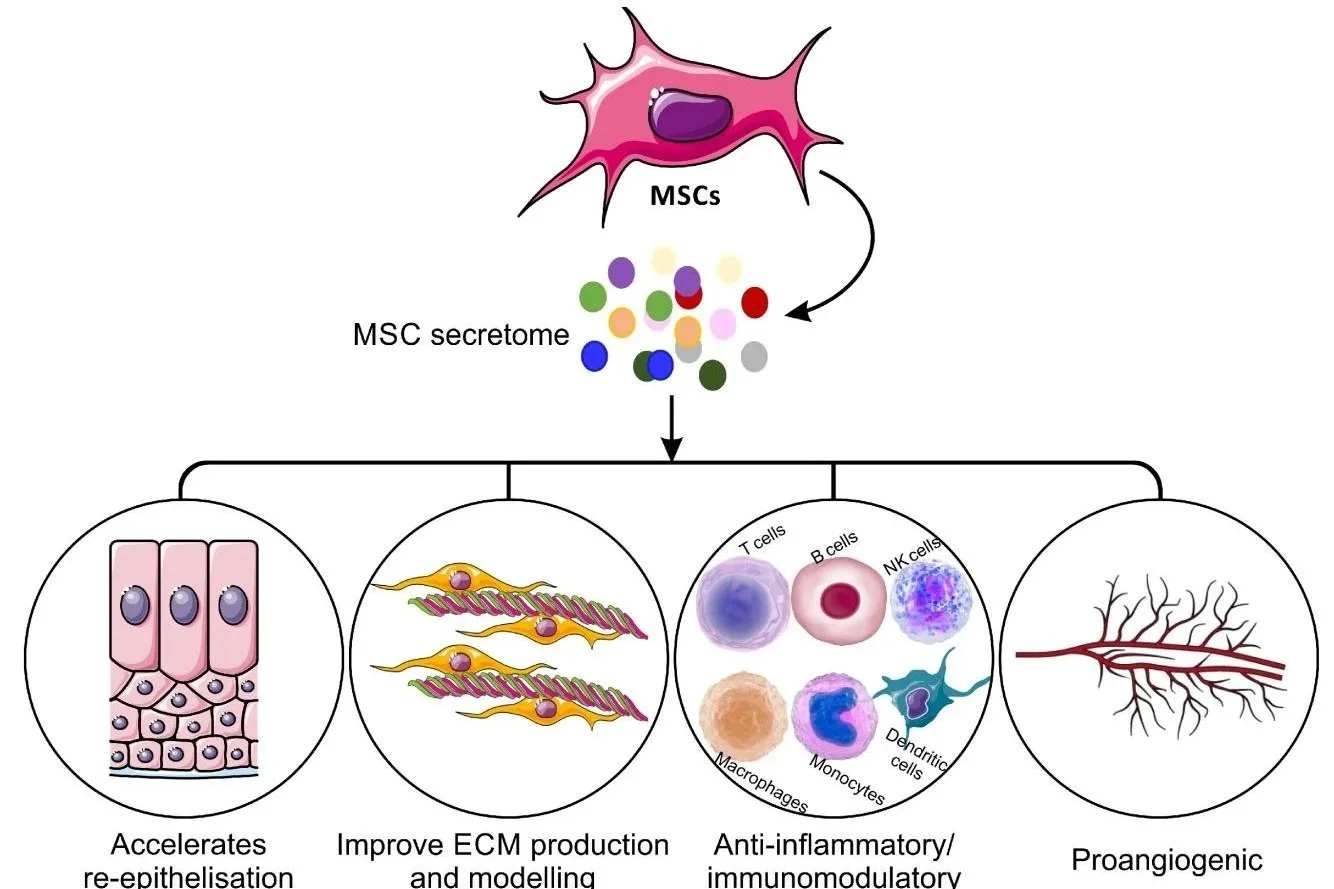
Accelerates re-epithelisation | Improve ECM production and modelling | Anti-inflammatory/immunomodulatory | Proangiogenic
Membranelles
Stem Cells
=Protein
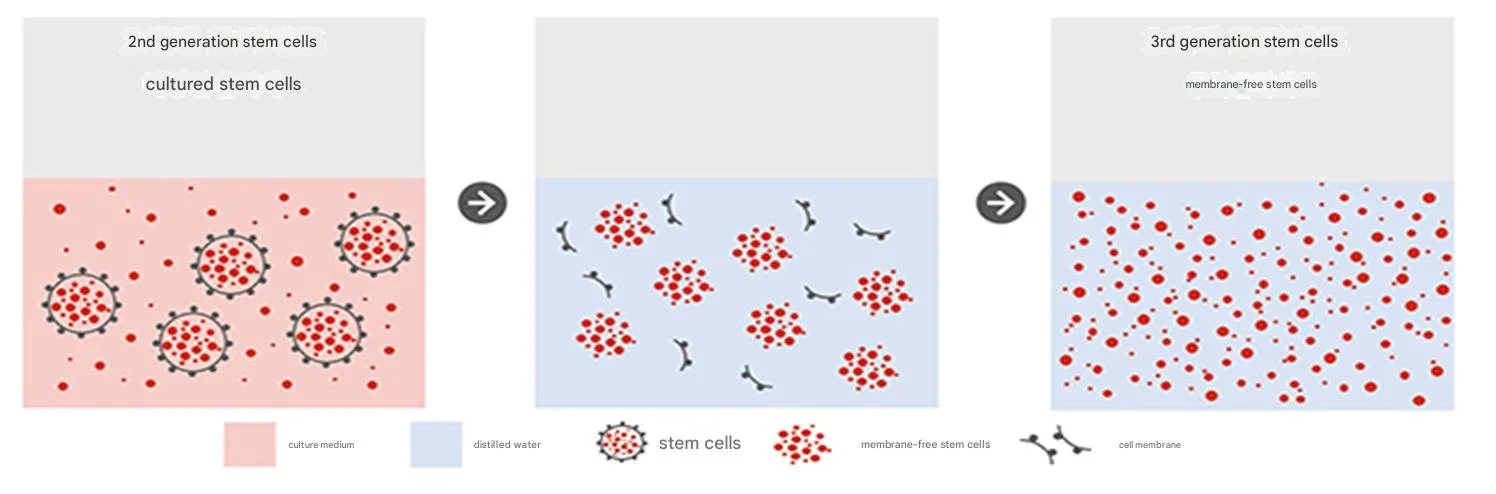
These stem cells, with their cell membranes removed, contain over 260 peptides, rich in effective ingredients that eliminate antigens present in the cell membrane and prevent immune rejection.
These umbilical cord blood-derived stem cells contain a high concentration of biocompatible ingredients, making them suitable for use in freeze-drying-based injectables, cell culture solutions, functional cosmetics and oral therapeutics.
Exosomes,
”AVATARS” of
STEM CELLS
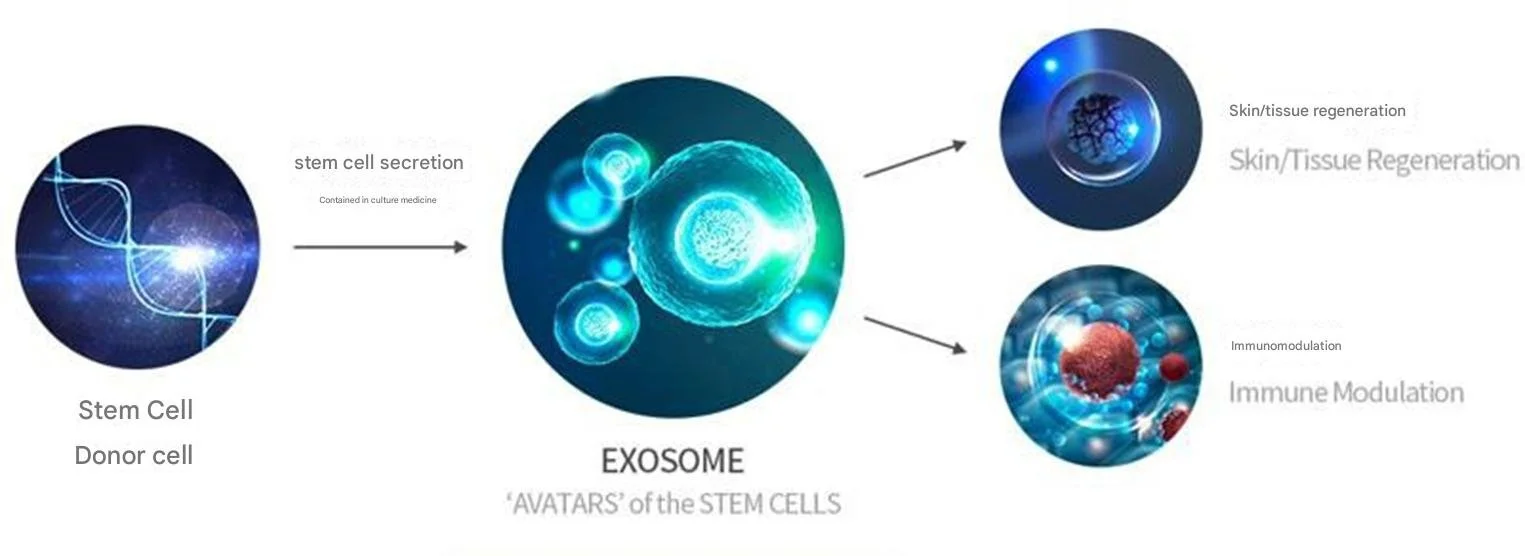
Exosomes not only facilitate the circulation of RNA and essential proteins between cells(such as fibroblasts, keratinocytes, and immune cells), but also carry numerous growth factors, cytokines and genetic material. This helps promote skin tissue repair and skin cell renewal.
0.5% key ingredient of stem cell culture solution
Exosome
Separation
Technology
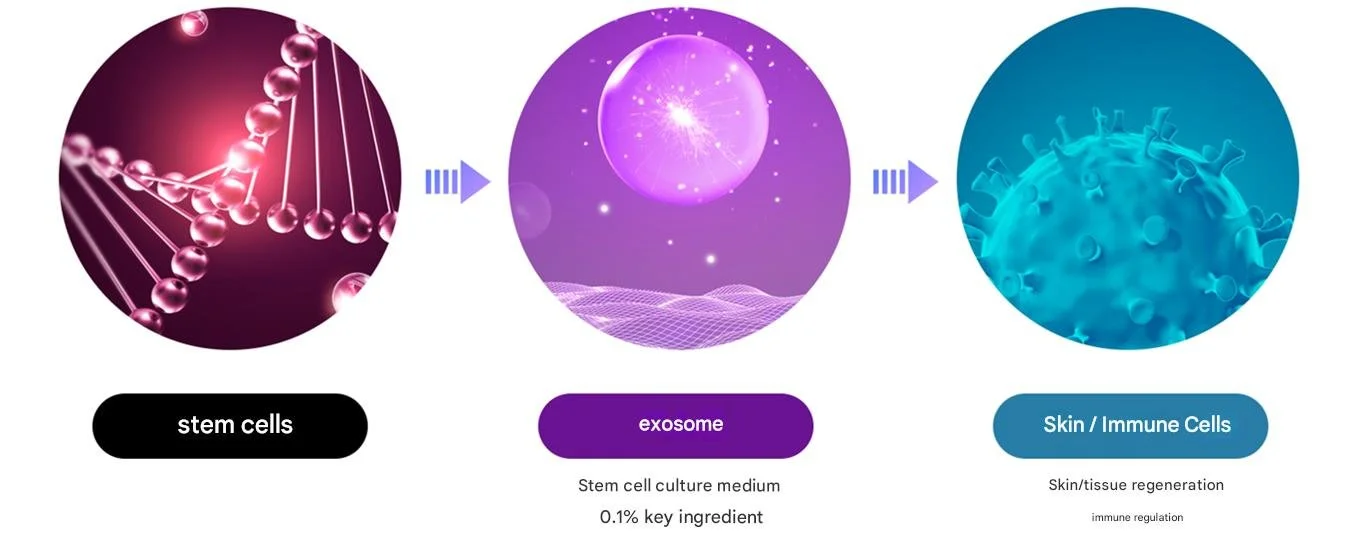
Based on the company’s own exosome separation source technology, only 0.1% of exosomes are separated from stem cell culture solution. This effectively acts on purified damaged skin and activates the skin’s natural energy.
It encompasses therapeutic effects such as stem cell regeneration, immune regulation, and anti-inflammation.
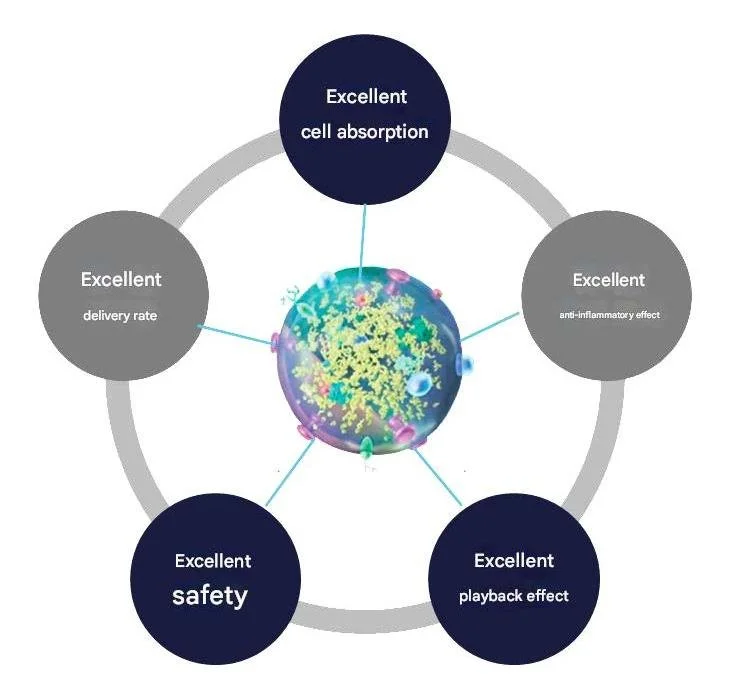
The endoplasmic reticulum, which plays a role in intercellular signaling
High efficiency of delivery to cells, so the active ingredients contained in it take effect immediately
Treatment
to be Developed
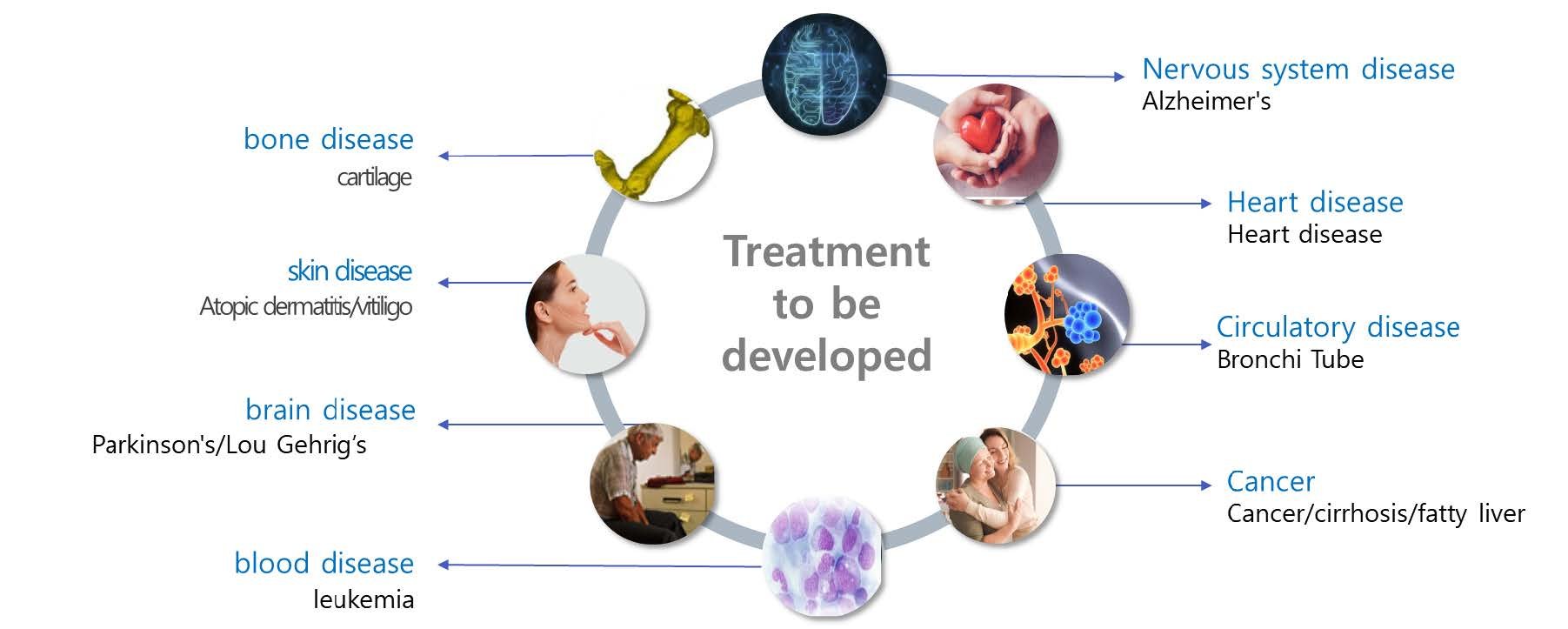
When stem cells are injected intravenously, they differentiate into various organs, such as the brain, liver, stomach, spleen, spinal cord, skin, and cartilage, and then take root, restoring damaged cells to their original state. - homing effect
This technology has been scientifically proven through clinical trials and can be applied to all organs of the body, from Alzheimer’s disease to leukemia and skin.
Potential
Applications of
Skin Exosome
Therapy
Small Spherical Vesicles containing RNA and protein transporters secreted for intercellular signaling, including gene therapy
A novel material with excellent scalability and flexibility, ranging from anticancer drugs and hair growth agents to functional cosmetics
A promising next-generation material that also secretes enzymes that attack cancer cells by degrading cell barriers
Intracellular protein therapy is a new technology that strategically leverages the exosome platform to develop biopharmaceuticals targeting intracellular targets
Our
Proprietary
Technology
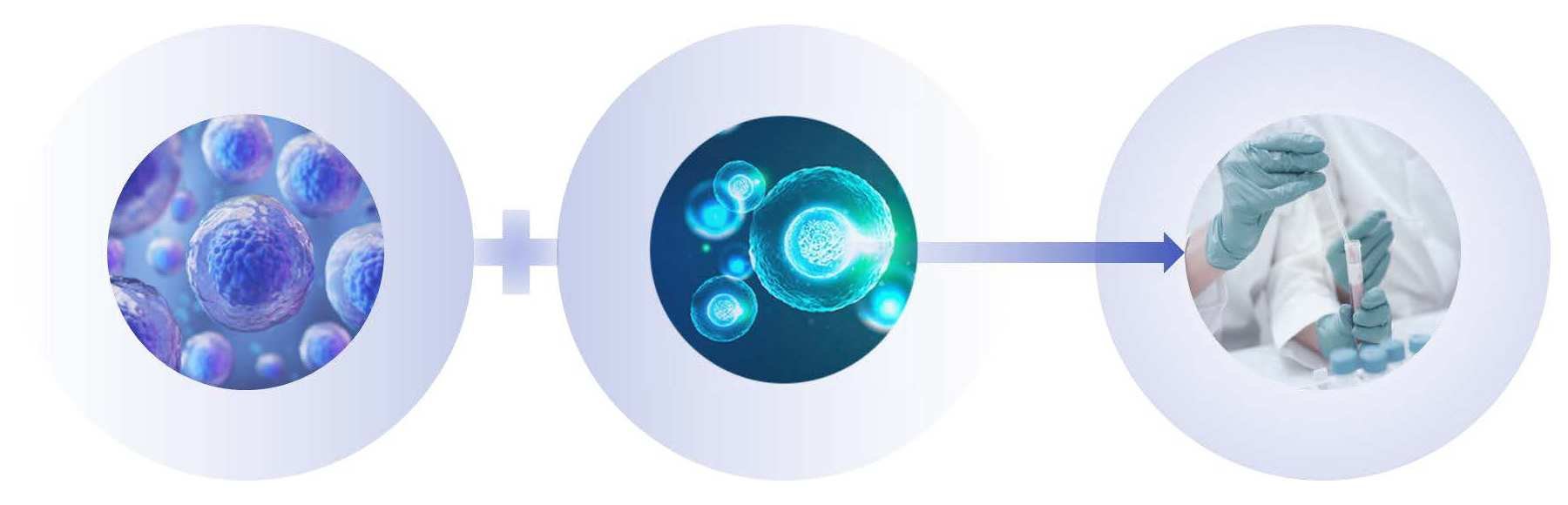
Based on our proprietary technology and decades of research and data, we isolate exosomes from stem cells
We research and develop treatments for cancer, Alzheimer’s disease, and dementia, a chronic disease associated with senile dementia. We also use these as ingredients in immune boosters, health functional foods, and cosmetics.
Experience and know-how in stem cell research
Established R&D centre in Oxford, London, UK
Established stem cell therapy research center
Partnership with stem cell research centre in Songdo, Incheon, South Korea
Established stem cell therapy research centre in several major countries around the world
China center hosts a stem cell therapy seminar
Acquisition of a stem cell therapy patent
Development of stem cell treatments and raw materials
Cancer
Alzheimer’s disease
Senile dementia
Health functional foods
Cosmetic ingredients
Types of
Stem Cells
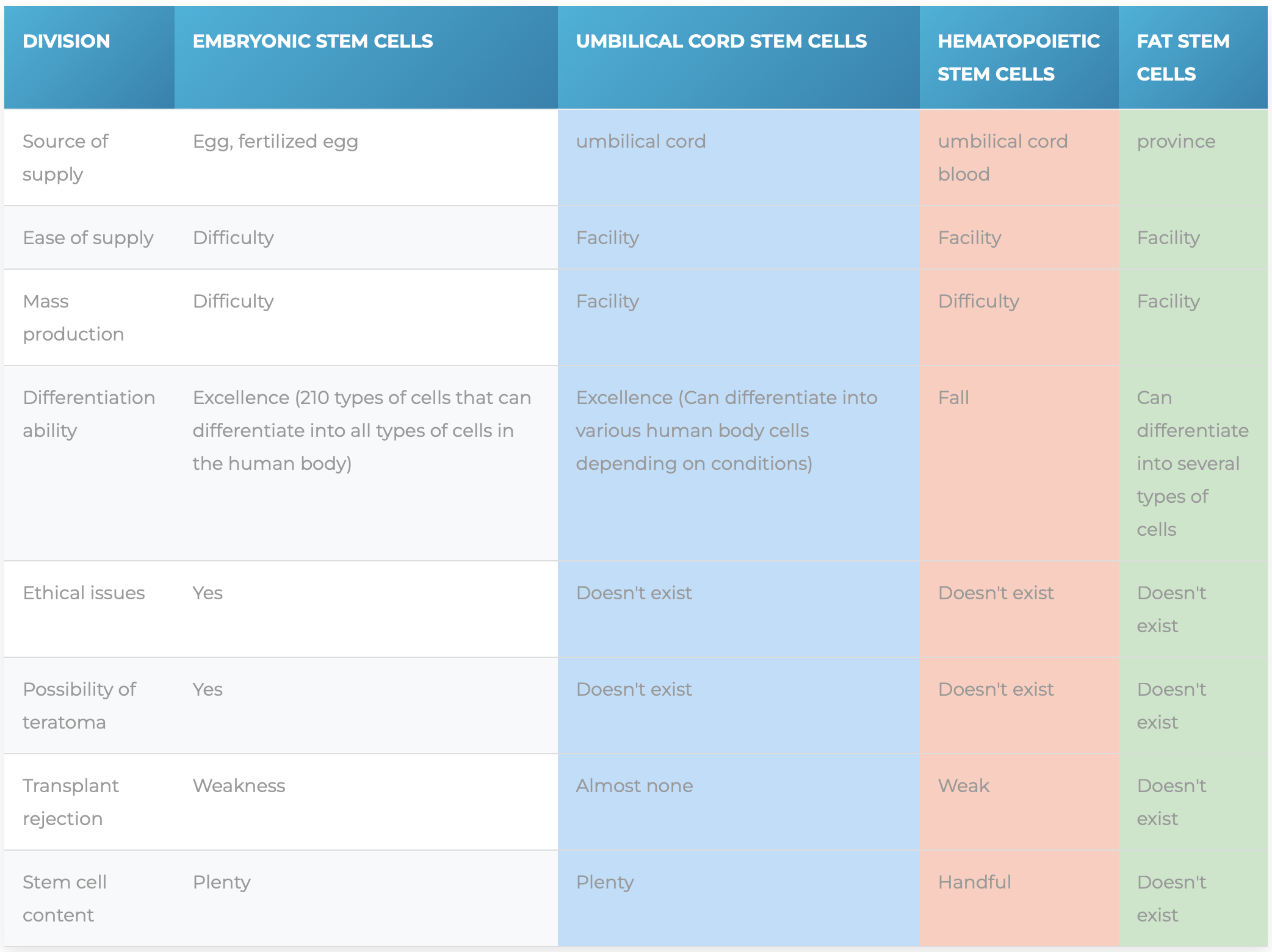
Stem cells are divided into embryonic stem cells and adult stem cells.
Umbilical cord stem cells are adult stem cells that are similar to embryonic stem cells.
Exosome-Separated Stem Cells - Owning The Original Technology
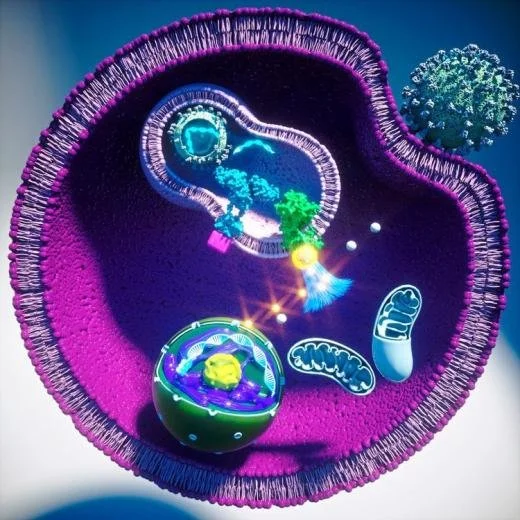
Possessing the original technology to isolate exosomes from umbilical cord blood stem cells, we are able to mass-produce exosomes with enhanced tissue regeneration and anti-inflammatory effects, rather than simple exosomes.
Reducing the cost of producing therapeutics
Utilizing membrane-free cell mass culture source technology and 3D stereoscopic culture technology, safe mass culture proliferation is possible in an environment similar to the human body, lowering the price of therapeutics.
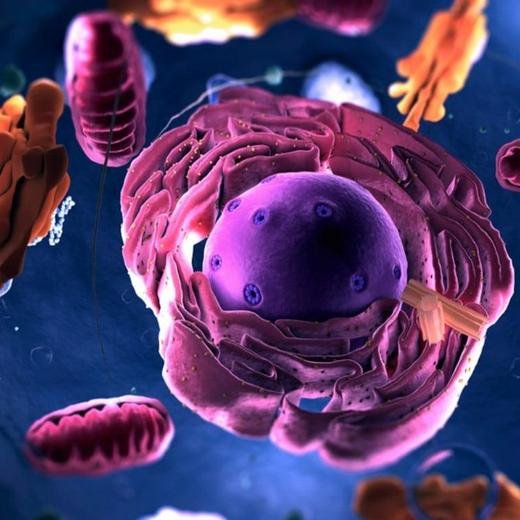
Mass Culture Propagation Technology
Exosome isolation and culture are possible with functions 2-3 times stronger than those of existing competitors.
We have cancer treatment solutions
Preclinical trials for a gene therapy that extracts cell from the ascites of cancer patients and inhibits their proliferation have been completed, and a data solution for conquering cancer has been secured(preclinical data provided an advantage in the clinical trial period).